Description How it work Services FAQ
CN/EN

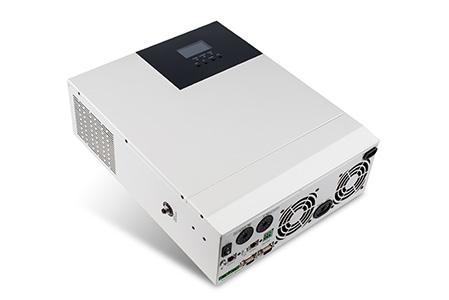
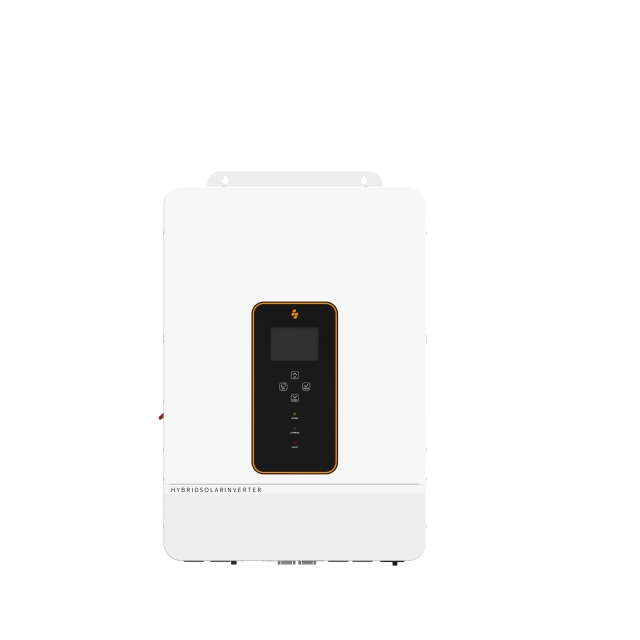
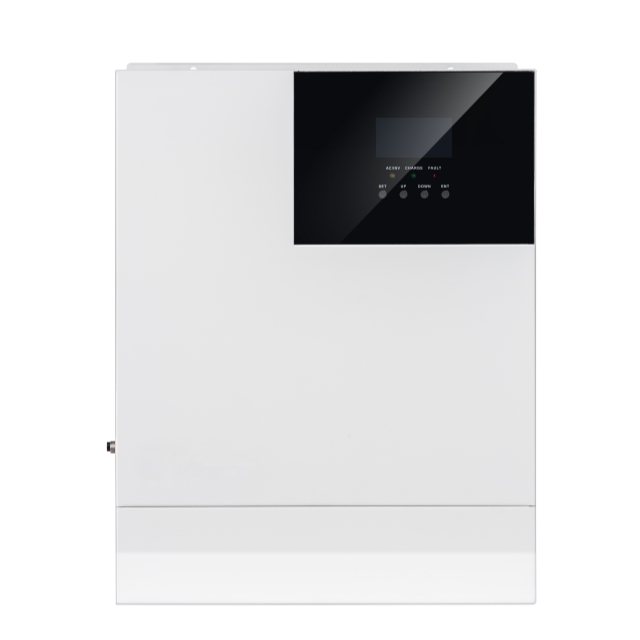
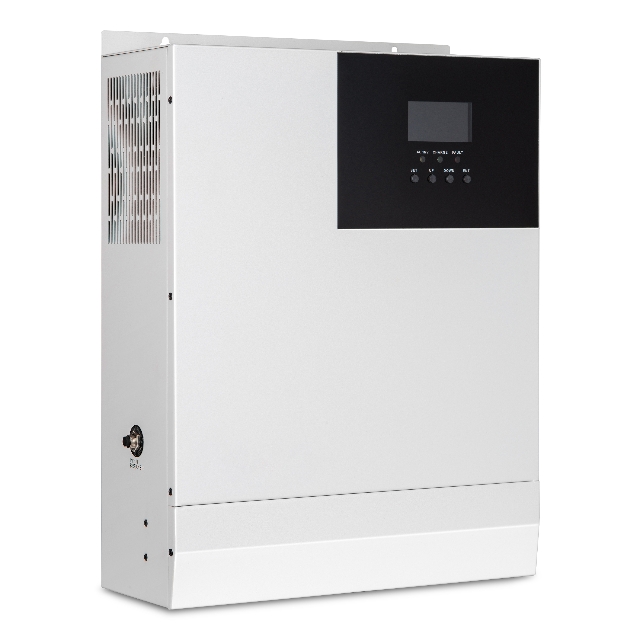
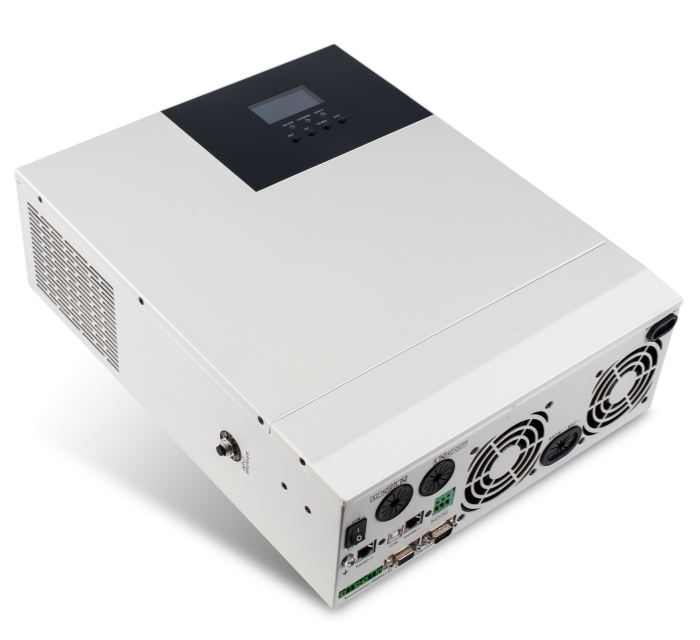
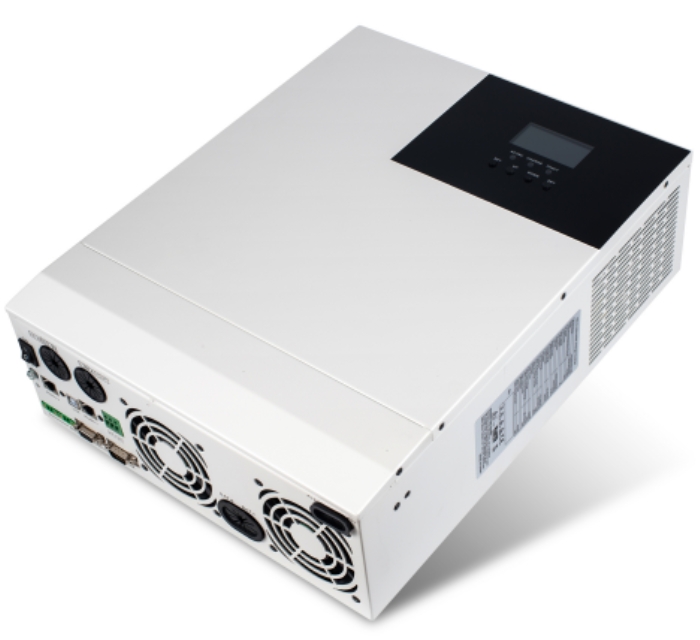
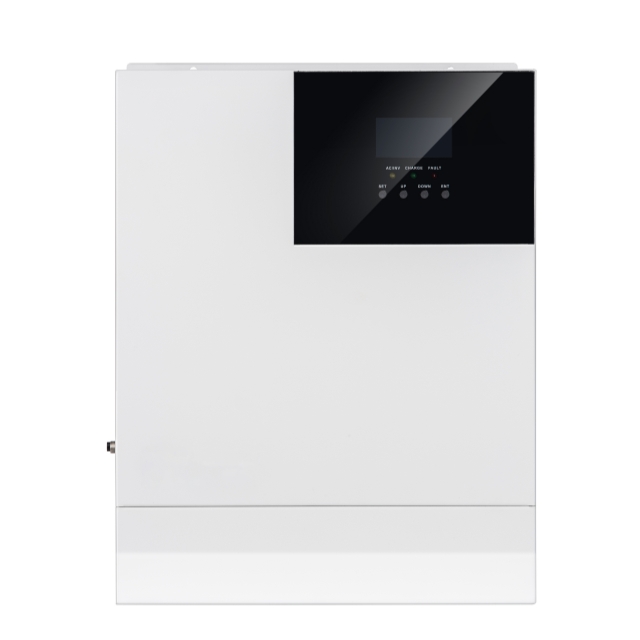
Solar Off Grid Inverter Single phase IP20 3.3kw/5kw

Price: Negotiable
Model: 98.2%
Power: 5KW
Protection Class: IP20,indoor only
Cooling:
Conversion Efficiency: 98.2%
Operating Temperature: -15 ~ +55°C/- 10~ +55°C
Display:
Weight: 10.9KG
Certification: CE, ISO
Dimensions: 426*322*126mm
Minimum Order Quantity: 1 SET
Trading Method: FOB/CIF/EXW Xiamen Port
Place of Origin: CHINA.

Get Quote

The BLD Solar Single phase off-grid inverter is an innovative and reliable solution for converting direct current (DC) power generated by solar panels into alternating current (AC) power that can be used for various applications.  This inverter is designed to operate independently from the utility grid, making it ideal for remote areas or locations where electricity is not readily available.


Technical Date:

AC power rating

5KW

Max.MPPT Charging Current

80A

Max.Input Current

18A

Rated Battery Voltage

48Vdc

Input Voltage Range

170~280Vac

Dimensions

426*322*126mm

Off Grid Solar Inverter

- Proper installation: The Solar Single phase off-grid inverter should be installed by a qualified technician according to the manufacturer's guidelines and local electrical codes.

 - Regular maintenance: Periodic inspection and maintenance are essential to ensure optimal performance and prevent potential issues.  Follow the recommended maintenance schedule provided by the manufacturer.

 - System compatibility: Consider the compatibility of the inverter with other components of the solar PV system, such as batteries, charge controllers, and solar panels, to ensure seamless operation and maximize system efficiency. In conclusion, the Solar Single phase off-grid inverter offers high efficiency, advanced protection mechanisms, and versatile applications.  Its main functions include power conversion, battery charging, and potential grid-tie capability.  Proper installation, regular maintenance, and ensuring system compatibility are crucial for optimal performance.


Off Grid Solar Inverter Product Applications:

  1. Mobile/RV Applications: Off-grid inverters are also used in recreational vehicles (RVs) and mobile homes to power appliances and devices while on the move. They allow for a self-sufficient power setup.
  2. Small Businesses: Off-grid inverters can be utilized by small businesses or workshops located in remote areas where grid power is not available or unreliable.


Off Grid Solar Inverter Key Functions:
  1. Battery Charging: Off-grid inverters often include a built-in battery charger to efficiently charge the batteries connected to the system. This feature ensures that excess solar energy is stored in the batteries for use during periods of low or no sunlight.
  2. Power Management: Some high-quality off-grid inverters provide advanced power management features like system monitoring, load balancing, and prioritizing power sources (solar, batteries, generator, etc.). These functions help optimize energy usage and ensure a stable power supply.
  3. Safety Mechanisms: Inverters also incorporate safety features like surge protection, short circuit protection, over-voltage/under-voltage protection, and over-temperature protection. These mechanisms protect the inverter and connected devices from electrical faults and ensure safety during operation.


Related Resource


Solar Off Grid Inverter Single phase IP20 3.3kw/5kwHow It Work
Single-Phase Off-Grid Inverter Flexibility in System Expansion
Solar single-phase off-grid inverters offer flexibility in system expansion. Users can easily add more solar panels, batteries, and inverters to expand their off-grid solar power system as per their energy requirements, allowing for scalability and future growth.
Essential Safety Features
Solar single-phase off-grid inverters are designed with a range of safety features, including overvoltage protection, short-circuit protection, and over-temperature protection. These features safeguard the inverter and connected devices from potential electrical hazards.
Power Output Regulation
The inverter features power output regulation capability, ensuring a stable and consistent supply of AC power to connected appliances and systems. This regulation helps prevent damage to sensitive devices and equipment.
Single-Phase Off-Grid Inverter DC-to-AC Conversion Process
The solar single-phase off-grid inverter employs a process called DC-to-AC conversion, which involves taking the DC power generated by the solar panels and converting it into AC power suitable for powering standard household or industrial devices.
Solar Off Grid Inverter Single phase IP20 3.3kw/5kwRelated Services

1. Fault Detection

We employ advanced techniques to detect any faults or abnormalities in products.

2. Technical Support

Our team provides comprehensive technical assistance for solar energy system products.
Related FAQ
1.Can a solar inverter be easily upgraded or expanded?
Solar inverters can sometimes be upgraded or expanded depending on the specific model and design. However, it is advisable to consult with a professional installer or manufacturer to determine the feasibility and compatibility of such upgrades.
2.What is a solar inverter?
A solar inverter is an electronic device that converts direct current (DC) power generated by solar panels into usable alternating current (AC) power for household or grid consumption.
3.Are there different types of solar inverters?
Yes, there are several types of solar inverters, including string inverters, microinverters, and power optimizers. Each type has its own advantages and applications.
4.Can solar inverters be used off-grid?
Yes, there are off-grid solar inverters available that can store excess electricity in batteries for later use when the sun is not shining. These inverters allow for self-sufficiency without reliance on the electrical grid.
5.What is the difference between string inverters and microinverters?
String inverters are typically installed as a single unit for an entire solar panel array, while microinverters are attached to individual solar panels. Microinverters offer advantages like panel-level monitoring and increased system performance.
6.How do I choose the right solar inverter for my system?
To choose the right solar inverter, consider factors like the size and capacity of your solar panel array, the type of installation (grid-tied or off-grid), budget, efficiency requirements, and the reputation and reliability of the manufacturer or brand. Consulting with a professional installer is
Need Help?
Do you have questions about our products or orders? Or do you run into technical issues? Our General Support section can resolve your question.
Contact US >
  • tel
  • +86-13959965075
  • Please Leave Message


    +86-13959965075
  • whatsapp
    WhatsApp